Source Fine Polished Cable Drawing Machine for Wire, Rope, and Steel
Find and compare 30 fine polished cable drawing machine models from Wuxi, China. Options include straight-line and horizontal types for steel, copper, and aluminum, with speeds up to 2500m/min and customizable block diameters for various wire applications; compare the available evidence and request quotations based on your requirements.
Key considerations
Products List


$7700.00 - $9000.00
Moq: 1


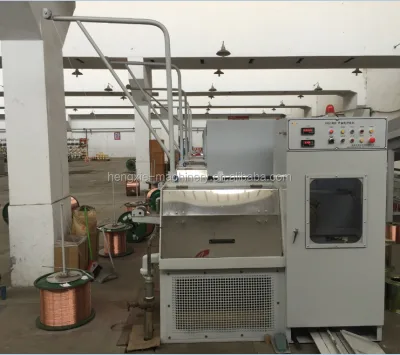


Effective Wire Drawing Machine for High Efficiency Wire Processing Solutions
$100000.00 - $200000.00
Moq: 1

Quality Wire Drawing Machine Supplier for Reliable Production Equipment
$100000.00 - $200000.00
Moq: 1


Comprehensive Sourcing Guide
Fine Polished Cable Drawing Machine Sourcing Guide
Procuring a fine polished cable drawing machine requires a precise understanding of the mechanical capabilities and material compatibility inherent to the equipment. The observed market listings indicate a diverse range of models, including straight-line and horizontal configurations, designed to reduce wire diameter through successive die stages. Buyers must distinguish between machines intended for steel, copper, or aluminum processing, as the metal material significantly influences the machine’s structural integrity and operational parameters. The core function remains consistent: transforming thicker inlet wire into thinner, high-precision outlet wire, often achieving diameters as small as 0.5mm.
The sourcing landscape reveals specific model series such as the LZ and SY families, each tailored to distinct production volumes and wire types. For instance, certain models are optimized for prestressed steel wire, while others handle general wire or rope wire applications. Understanding the maximum inlet wire diameter and the corresponding number of drawing blocks is critical for matching the machine to your existing raw material inventory. This alignment ensures that the equipment can handle your specific gauge requirements without excessive strain on the dies or the drawing mechanism, thereby maintaining consistent output quality and minimizing downtime during the initial setup phase.
Product Scope and Observed Listing Signals
The current market signals a wide price variance, ranging from approximately $3,300 to $220,000, reflecting differences in automation levels, motor power, and material construction. Listings frequently highlight key attributes such as ISO certification and new condition status, which serve as baseline indicators of manufacturing quality. However, the price disparity often correlates with the maximum drawing line speed, which can range from 1,800 to 2,500 meters per minute, and the specific motor configurations, such as 5.5kw main motors. Buyers should interpret these price points as indicators of capacity rather than absolute value, as higher speeds and larger block diameters, such as 600mm or 900mm, typically command premium pricing due to increased material usage and engineering complexity.
Observed minimum order quantities (MOQ) are consistently listed as one unit, suggesting that these machines are often treated as custom or semi-custom industrial equipment rather than mass-produced consumer goods. This single-unit MOQ allows for tailored configurations, such as customized colors or specific packing methods like wooden cases or water-proof plastic films. The origin of these machines is predominantly Wuxi, Jiangsu, and China, indicating a concentrated manufacturing hub for this type of heavy machinery. Buyers should leverage this concentration to facilitate site visits or third-party inspections, as the geographic proximity of suppliers can simplify logistics and reduce the risk associated with international shipping of heavy, oversized equipment.
Technical Specifications to Verify
When evaluating technical specifications, the outlet diameter range is a primary determinant of the machine’s precision and versatility. Listings show outlet diameters ranging from 0.5-4.5mm to 0.5-7.0mm, which directly impacts the final product’s application in industries requiring fine, polished cables. Buyers must verify the maximum number of drawing dies, with observed counts reaching up to 24 or 26, as this determines the incremental reduction steps available for achieving the desired final gauge. A higher die count allows for more gradual reduction, which can improve surface finish and reduce the risk of wire breakage, particularly when processing brittle or high-tensile materials like carbon steel or galvanized wire.
The finished wire shape is another critical specification, with options including square wire or plum blossom-shaped configurations, indicating the machine’s ability to produce non-circular profiles. This versatility is essential for buyers who need to diversify their product offerings or meet specific industry standards for cable construction. Additionally, the block diameter, observed in sizes like 350mm, 560mm, and 900mm, influences the tension control and stability of the drawing process. Larger block diameters generally provide better stability for high-speed operations, reducing vibration and ensuring a smoother finish. Buyers should cross-reference these mechanical specs with their desired production speed, ensuring the machine can sustain the required line speed without compromising the integrity of the wire or the longevity of the dies.
Compliance and Safety Documentation
Compliance and safety documentation form the backbone of a secure procurement process, particularly when dealing with heavy industrial machinery that operates at high speeds. While ISO certification is a common attribute observed in listings, buyers must verify the specific scope of this certification to ensure it covers the manufacturing processes relevant to their safety requirements. Additionally, CE certification is noted in background data, which is crucial for buyers operating in or exporting to European markets. It is imperative to request official certification documents from the supplier to confirm that the machine meets all applicable electrical and mechanical safety standards, including proper guarding of moving parts and emergency stop functionality.
Beyond certifications, the documentation should include detailed operational manuals, electrical schematics, and maintenance guidelines. These documents are essential for training local operators and ensuring that the machine is installed and operated correctly. Buyers should also inquire about the availability of spare parts lists and technical support channels, as these are critical for minimizing downtime in the event of a malfunction. The packing method, whether it involves wooden cases or stretch film, should also be documented to ensure that the machine arrives in pristine condition, free from transit damage that could compromise its operational safety or performance.
Cost Drivers and Commercial Terms
The commercial terms associated with fine polished cable drawing machines are heavily influenced by the lead time and customization requirements. Observed delivery times range from 30-45 days to 60-90 days, reflecting the complexity of manufacturing and the potential for custom configurations. Buyers should factor these lead times into their production planning, as delays can impact downstream manufacturing schedules. The availability of customization, such as specific colors or packing methods, may also affect the final cost and lead time, as these modifications require additional production steps and quality checks.
Packing standards, such as 20GP container specifications or custom dimensions like 2600x1600x1600mm, play a significant role in logistics costs. Buyers must calculate the total landed cost, including freight, insurance, and import duties, to accurately assess the investment. The use of standard shipping containers like 20GP can optimize freight costs, while oversized or custom-packed machines may incur higher shipping fees. Additionally, the material of the machine, whether carbon steel or galvanized wire components, can influence durability and maintenance costs over the machine’s lifecycle. Buyers should negotiate clear terms regarding warranty coverage and after-sales support to mitigate the financial risk associated with potential mechanical failures.
Supplier Qualification and Quality Control
Supplier qualification is a critical step in ensuring the reliability and longevity of the purchased drawing machine. Buyers should prioritize suppliers with a proven track record in manufacturing metal drawing equipment, as evidenced by their product range and model diversity. The presence of specific model numbers, such as LZ8/400 or SY-24B/A, indicates a standardized production process, which can be a positive indicator of quality control. However, buyers must conduct thorough due diligence, including verifying the supplier’s business license, production capacity, and past client references, to ensure they are a legitimate and capable manufacturer.
Quality control measures should be explicitly defined in the purchase agreement, including pre-shipment inspections and factory acceptance tests. Buyers should request detailed inspection reports that cover critical components such as the main motor, drawing dies, and block assemblies. The condition of the machine, listed as new, should be verified through visual inspection and functional testing before shipment. Additionally, buyers should inquire about the supplier’s quality management systems and any internal testing protocols they employ to ensure consistency across production batches. This proactive approach to quality control helps mitigate the risk of receiving a machine that does not meet the specified technical requirements or operational standards.
Long-Term Procurement Checks
Long-term procurement success depends on establishing a sustainable relationship with the supplier and ensuring ongoing support for the equipment. Buyers should verify the availability of spare parts, particularly for high-wear components like drawing dies and bearings, to minimize downtime during routine maintenance. The supplier’s ability to provide timely technical support and troubleshooting assistance is equally important, as operational issues can arise during the initial production phases. Establishing a clear communication channel for after-sales service ensures that any technical challenges can be resolved quickly, preserving the efficiency of the production line.
Furthermore, buyers should monitor the supplier’s product updates and technological advancements, as the field of metal drawing machinery is continuously evolving. Staying informed about new models or improved features can provide opportunities for future upgrades or expansions of the production capacity. Regular reviews of the machine’s performance against the initial specifications, such as line speed and outlet diameter consistency, help identify any deviations that may require adjustment or maintenance. By maintaining a proactive approach to supplier management and equipment maintenance, buyers can ensure the long-term viability and profitability of their fine polished cable drawing operations.
FAQs
What is the typical lead time for delivery?
The typical delivery time ranges from 30 to 90 days depending on the specific model and customization requirements. Standard units may ship within 30 to 45 days, while more complex configurations or larger block diameters can require up to 90 days for production and quality assurance before shipment.
Which certifications are available for these machines?
These machines are available with ISO certification to ensure compliance with international quality management standards. This certification verifies that the manufacturing processes meet rigorous criteria for consistency and reliability, providing buyers with confidence in the equipment's durability and performance for industrial wire drawing applications.
Can the machine color be customized?
Yes, the machine color can be customized to meet specific customer preferences or corporate branding requirements. Buyers can specify their desired color scheme during the ordering process, allowing for a tailored appearance that integrates seamlessly with existing factory environments or operational aesthetics without affecting mechanical performance.
What is the maximum drawing line speed?
The maximum drawing line speed varies by model, reaching up to 2500 meters per minute for high-performance units. Some models operate at speeds around 1800 to 2000 meters per minute, allowing for efficient processing of various wire materials while maintaining precision and stability during the drawing process.
What materials can this machine process?
This machine is designed to process various metals including carbon steel, galvanized wire, copper, and aluminum. It supports the transformation of these materials into thinner wires with specific shapes such as square or plum blossom configurations, making it versatile for diverse industrial wire and rope manufacturing needs.
How is the machine packed for shipping?
The machine is packed using water-proof plastic film, stretch film, or wooden cases to ensure safe transit. This multi-layered packaging approach protects the equipment from moisture and physical damage during long-distance shipping, ensuring that the machinery arrives in optimal condition ready for installation and immediate operational use.